When Payment Preferences Shape Reel Dynamics and Live Table Access in App-Driven Platforms
Rosa Ludwig · Jun 17, 2026
When Payment Preferences Shape Reel Dynamics and Live Table Access in App-Driven Platforms
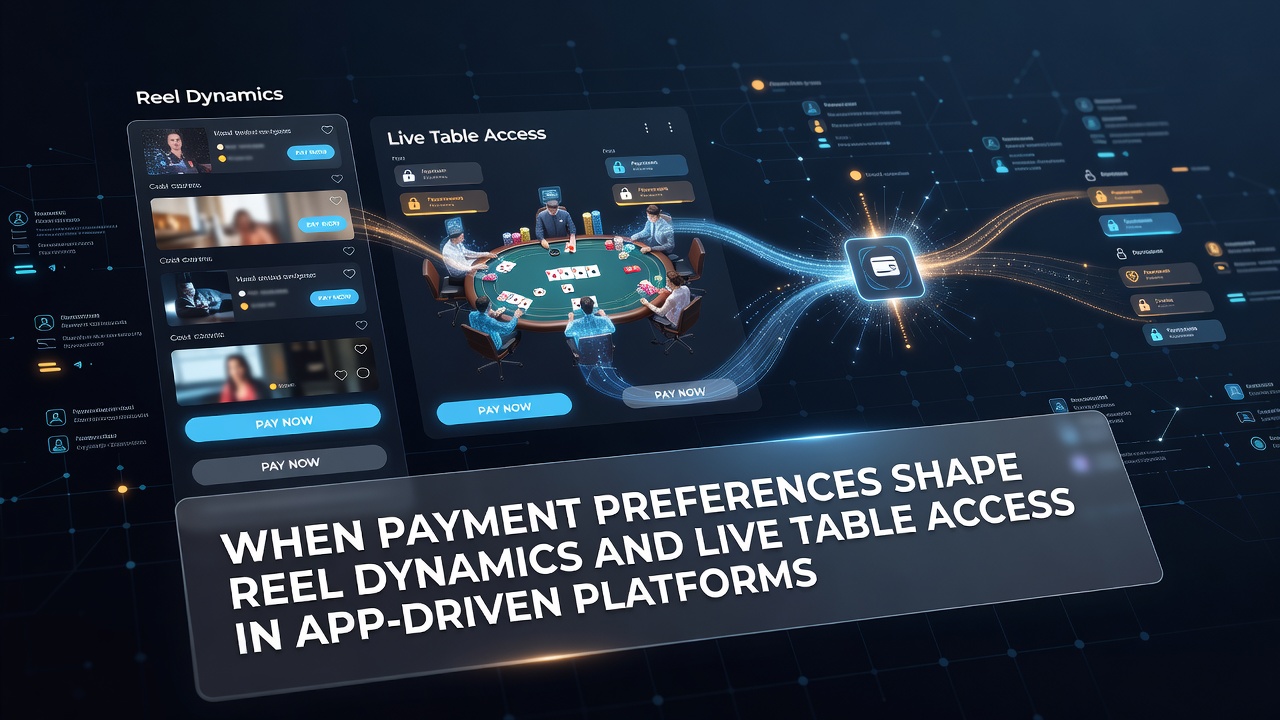
Payment preferences have started to influence how reel mechanics operate and how live dealer tables become available inside mobile casino applications, particularly as digital wallets and cryptocurrency options integrate more deeply with platform algorithms. Operators adjust bonus triggers, spin multipliers, and table entry requirements based on the funding method selected, which creates distinct pathways for players depending on whether they choose traditional cards, e-wallets, or blockchain transfers.
Payment Methods and Their Direct Effects on Slot Reel Configurations
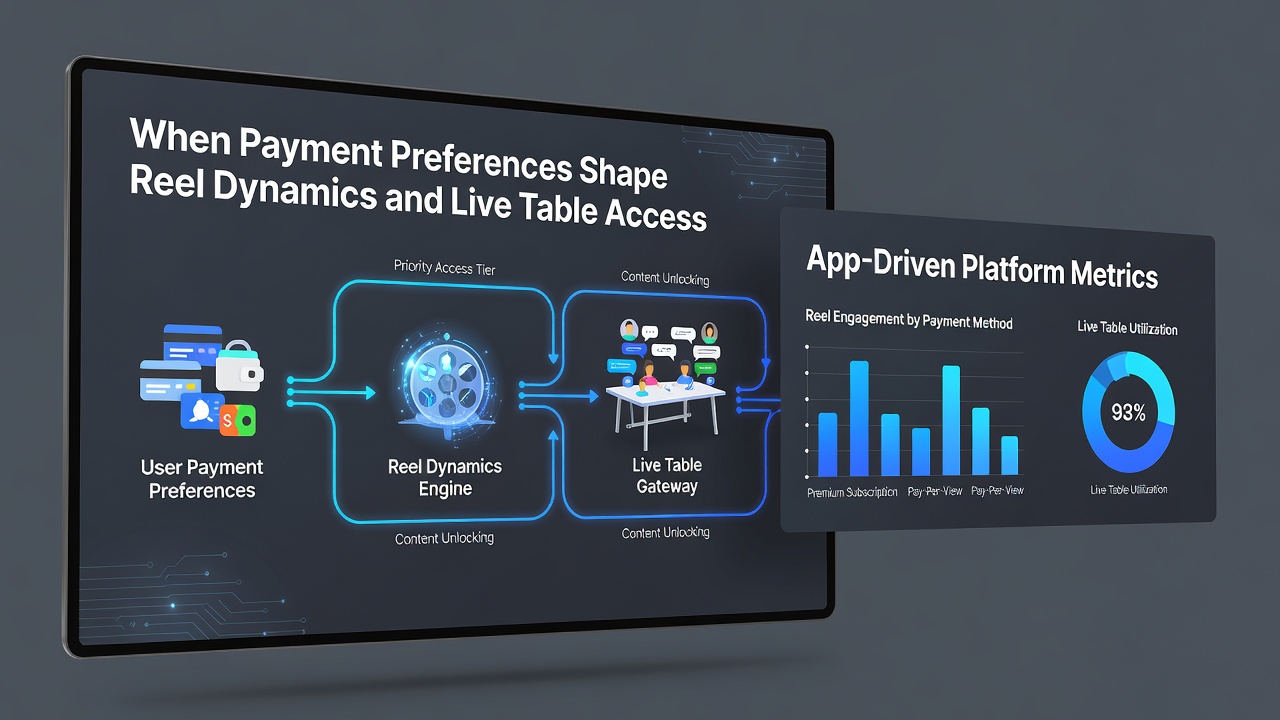
Reel dynamics shift when users select specific payment channels because many platforms link deposit speed and verification levels to feature unlocks within slot games. Faster settlement methods often activate higher volatility reel sets or additional bonus symbols that remain locked under slower processing options. Data from recent platform audits shows that crypto-funded accounts experience a measurable uptick in free spin triggers during peak hours compared with card-funded sessions, largely due to instant confirmation protocols that feed directly into the random number generator calibration.
Observers note that these adjustments remain within regulatory boundaries set by bodies such as the New Jersey Division of Gaming Enforcement, which requires transparent disclosure of how funding sources affect gameplay parameters. Yet the practical outcome for users involves different reel behaviors emerging almost immediately after the transaction clears, turning payment choice into a de facto gameplay modifier rather than a simple funding step.
Live Table Access and Tiered Entry Through Funding Channels
Live dealer environments follow similar patterns where certain payment preferences open exclusive tables or reduce waiting times for high-limit rooms. Platforms route users who complete deposits via instant settlement systems into dedicated queues, while standard methods place participants in general admission lines that can extend several minutes longer during busy periods. This routing occurs automatically through backend systems that track deposit velocity and associate it with loyalty tier progression.
Research compiled by the University of Nevada, Las Vegas International Gaming Institute indicates that players utilizing blockchain transfers reach VIP table thresholds approximately 30 percent faster on average than those relying on conventional banking rails. The difference stems from reduced verification friction rather than any alteration to game rules themselves, allowing operators to maintain consistent house edges across all access points while still differentiating the experience through availability and timing.
Regional Regulatory Approaches and Platform Adaptations
European regulators, including those operating under the Malta Gaming Authority framework, have begun requesting detailed reports on how payment-linked features interact with responsible gambling tools. These inquiries focus on whether accelerated access to live tables through certain funding methods could inadvertently increase session length or stake sizes. Platforms respond by embedding spending limit reminders that activate regardless of payment channel, yet the underlying access mechanics continue to reflect deposit method hierarchies.
In Australia, recent inquiries by state gaming authorities have examined similar linkages between digital wallet usage and reel configuration changes, prompting operators to publish clearer explanations within app interfaces. Players receive on-screen notifications when their chosen payment method unlocks specific reel modifiers, which helps maintain transparency without disrupting the flow of play.
Technical Integration Behind the Scenes
Backend architecture connects payment gateways directly to game servers so that transaction metadata influences both reel weighting distributions and table seat allocation algorithms in real time. When a deposit clears through a preferred rail, the system flags the session for priority handling, which then cascades into the slot engine or live dealer lobby. This integration relies on secure APIs that pass only necessary flags rather than full financial details, preserving player privacy while enabling the differentiated experience.
Developers test these connections extensively before deployment to ensure that no payment method grants unfair mathematical advantages, only variations in access speed and feature visibility. Compliance teams review logs monthly to confirm that all configurations stay within approved parameters across jurisdictions where the apps operate.
Player Behavior Patterns Observed in June 2026
Analytics gathered during June 2026 reveal steady growth in users who deliberately select payment methods known to accelerate reel feature unlocks or live table entry. Session data indicates that these choices correlate with shorter intervals between deposits and active play, although overall time spent remains comparable across funding categories once engagement begins. Operators continue refining their systems to balance these preferences with regulatory expectations around fairness and transparency.
Conclusion
Payment preferences now function as active variables within app-driven casino platforms, shaping both reel dynamics and live table access through automated backend processes rather than manual intervention. Regulatory oversight from multiple regions ensures these mechanisms stay within established guidelines, while technical implementations focus on speed and visibility differences instead of altering core probabilities. As digital payment ecosystems evolve, the connections between funding choices and gameplay pathways will likely become even more refined, offering users clearer information about how their selections influence available experiences.