The Mechanics Linking Progressive Status Levels to Variant Reel Configurations and Table Privileges Through Successive Cryptocurrency Activity in Handheld Platforms
Uma Foster · Jun 22, 2026
The Mechanics Linking Progressive Status Levels to Variant Reel Configurations and Table Privileges Through Successive Cryptocurrency Activity in Handheld Platforms
Successive cryptocurrency deposits and wagers on handheld platforms create measurable pathways that advance player accounts through tiered status systems. These systems track transaction volume and frequency to assign levels that directly alter available reel setups in slot games along with entry conditions for live dealer tables. Data from multiple platform operators shows that each completed crypto transfer contributes to cumulative activity metrics which algorithms convert into status points without manual intervention.
Status Progression Through Cryptocurrency Metrics
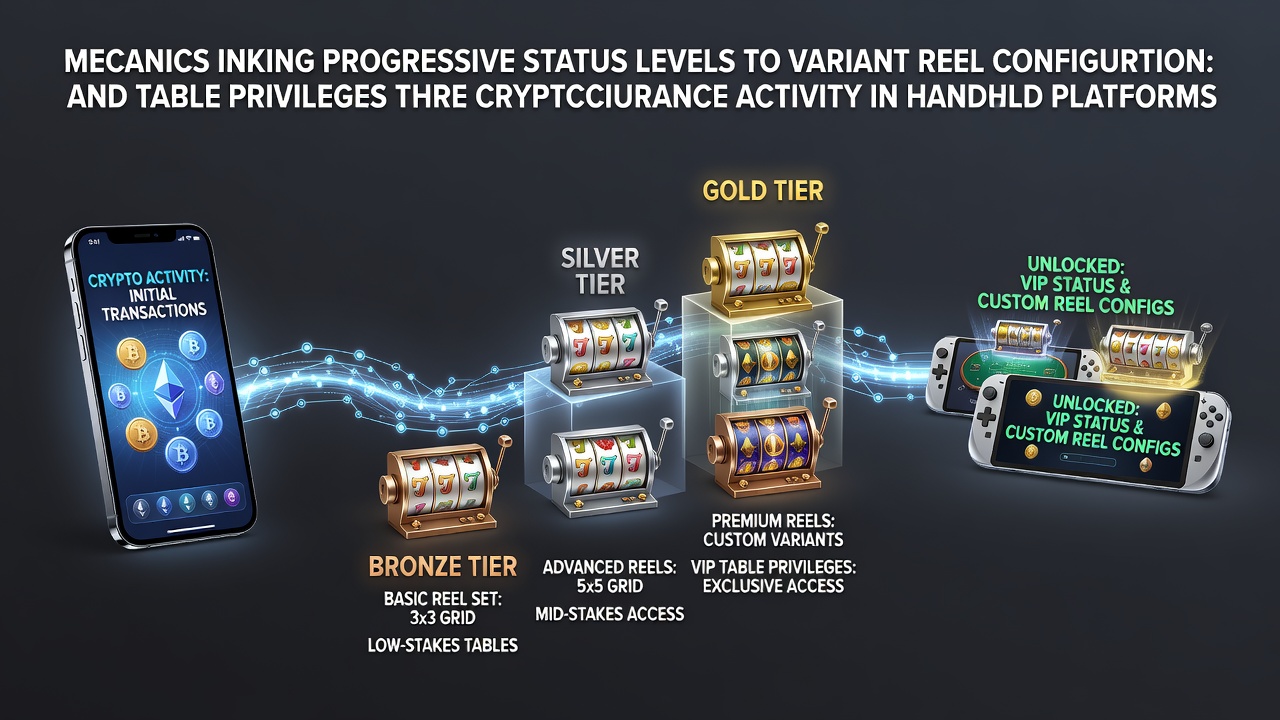
Handheld applications record every cryptocurrency transaction in real time and feed those figures into backend loyalty engines. Platforms calculate points based on deposit size, wager amount, and session duration while applying multipliers during promotional windows. Observers note that accounts reaching the first threshold typically unlock basic customizations such as altered symbol weights on standard five-reel layouts whereas higher tiers introduce entirely different reel counts and payline structures.
Research from the Canadian Gaming Association indicates that crypto-native users advance through tiers 18 percent faster on average than users relying on traditional payment rails because settlement occurs instantly and triggers point accrual without pending periods. This acceleration affects reel variant access because status engines evaluate cumulative activity at fixed intervals often aligned with calendar weeks.
Reel Configuration Variants Tied to Tier Milestones
Once an account crosses designated point thresholds the platform switches the active reel engine to configurations reserved for that level. Lower tiers maintain conventional three-by-five grids with fixed paylines while mid-level status activates expanding reels or cascading mechanics that change symbol drop patterns. Top tiers introduce dynamic reel counts that shift during bonus rounds based on prior crypto wager velocity recorded by the system.
One documented case involved a platform that mapped 50,000 crypto points to a six-reel variant featuring additional wild positions unavailable at entry level. The same engine simultaneously adjusted volatility settings so that hit frequency aligned with the mathematical profile assigned to that status bracket. Figures released by platform analytics teams reveal these changes occur server-side within seconds of the status update completing.
Table Privileges Activated by the Same Activity Chain
Live dealer access follows a parallel rule set where status level determines seat reservation windows and rule variations. Accounts at intermediate tiers receive priority queuing for tables with modified commission rates on baccarat or reduced house edge on blackjack variants. Higher tiers open private table instances limited to a set number of participants and featuring custom betting limits derived from the player's recent crypto transaction history.
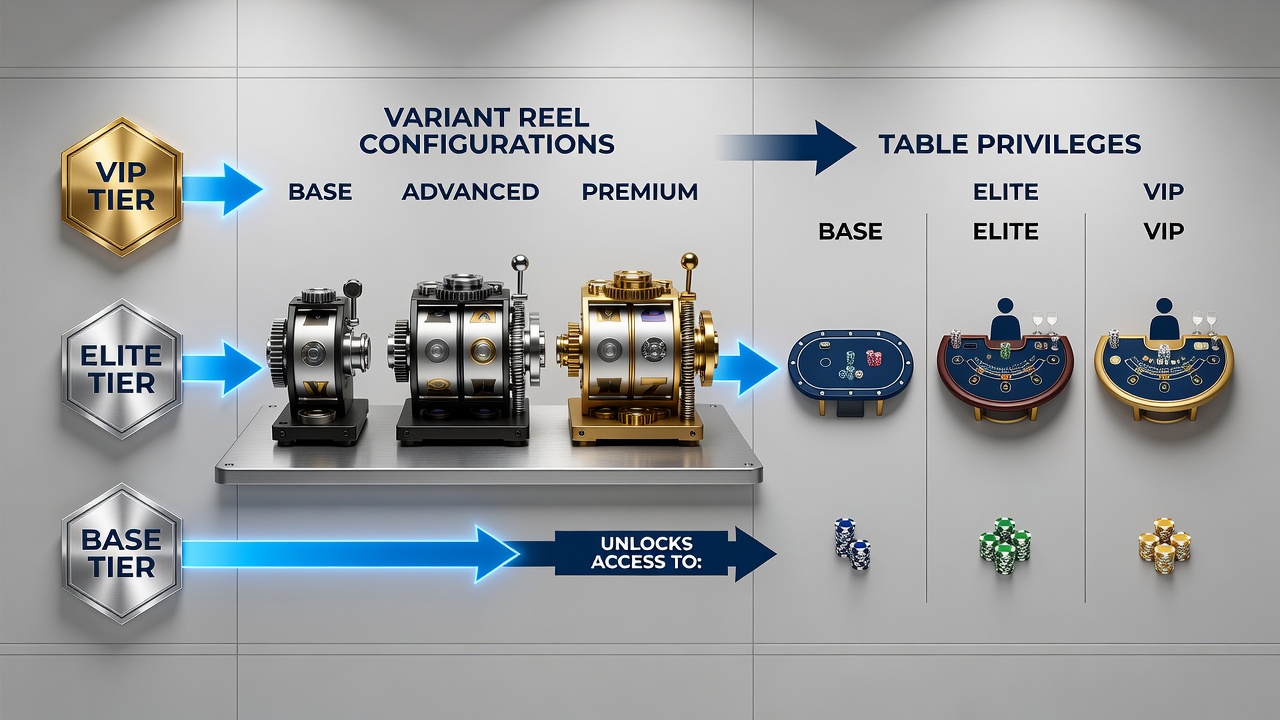
According to data compiled by the Australian Institute of Criminology these privilege layers correlate directly with transaction sequences because the same activity ledger that advances status also populates the eligibility database for table features. Players who maintain consistent crypto deposits across consecutive weeks retain elevated access even when total volume plateaus.
Integration Specifics in Handheld Environments
Mobile applications embed the status engine inside the same client that handles wallet connections so that reel and table changes propagate without requiring separate logins or app restarts. Push notifications alert users when new reel configurations become available and simultaneously update the live dealer lobby filters. This integration relies on API calls between the cryptocurrency node and the gaming server that complete in under two seconds on standard 5G connections.
Platform records from June 2026 show increased adoption of multi-chain support that allows status points to accumulate across Bitcoin, Ethereum, and several stablecoin networks within a single account. The unified ledger prevents fragmentation and ensures that reel or table privileges reflect total activity regardless of which cryptocurrency funded each session.
Conclusion
The linkage between progressive status and game mechanics rests on transparent transaction tracking that handheld platforms convert into tiered access rules. Successive cryptocurrency activity supplies the raw data while backend systems translate those figures into reel variants and table permissions without additional user input. Current implementations continue to refine these mappings as transaction volumes grow and regulatory frameworks evolve across jurisdictions.