Tennessee Governor Bill Lee Approves Legislation to Eliminate Sweepstakes Casino Operations in Tennessee
Vera Vogel · May 23, 2026

Tennessee Governor Bill Lee Approves Legislation to Eliminate Sweepstakes Casino Operations in Tennessee
Tennessee Governor Bill Lee signed legislation that bans sweepstakes casinos and will prohibit this form of gaming across the state once the measure takes full effect, while the new rules directly target operations relying on sweepstakes-style promotions to deliver casino-like games and come after sustained regulatory scrutiny of such venues according to reports from industry observers.
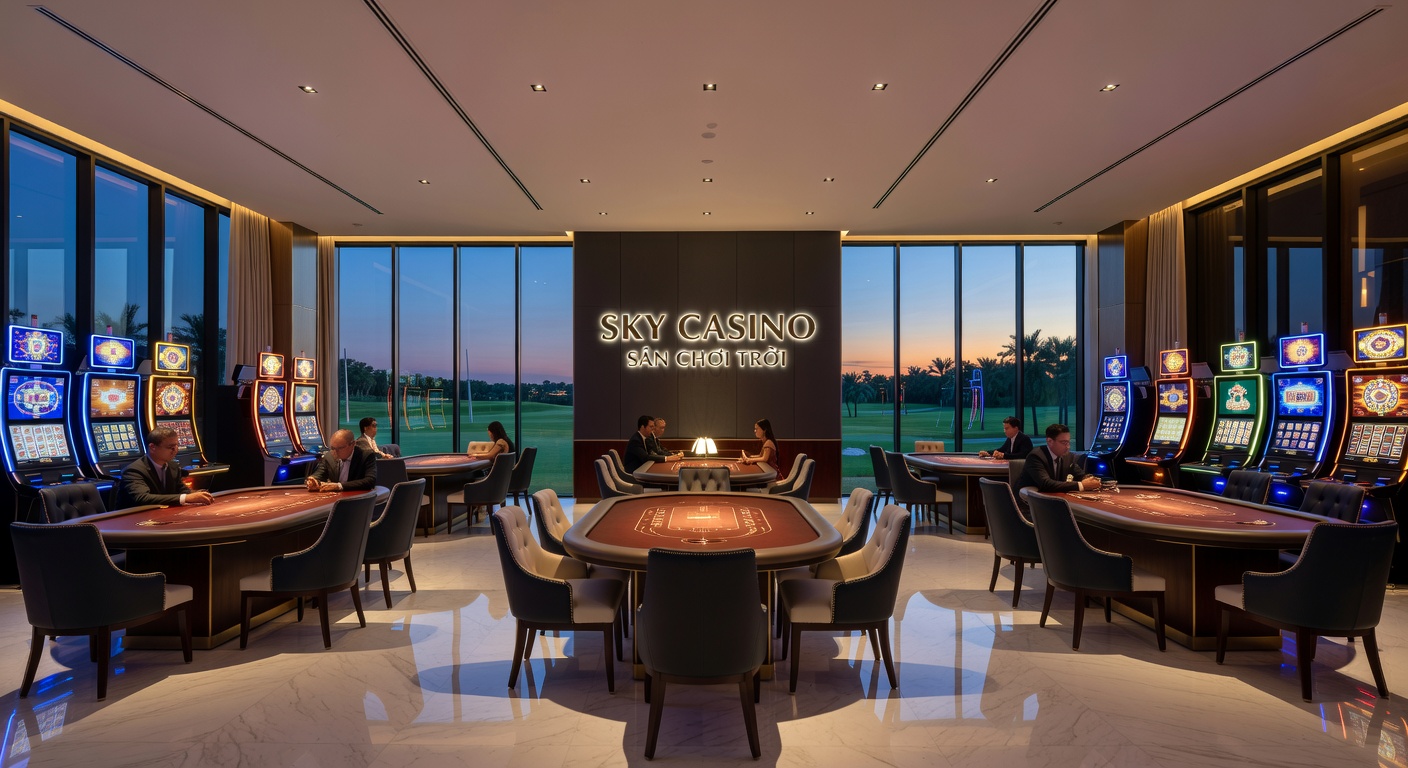
Those who track gaming policy note that the bill addresses venues using sweepstakes mechanisms to offer slot-style machines and table games without traditional licenses, and lawmakers crafted the language to close loopholes that had allowed these formats to operate in parts of the state despite existing restrictions on other casino activities.
Background on Sweepstakes Gaming Models in Tennessee
Observers note that sweepstakes casinos emerged in various locations as businesses adapted promotions where customers purchase internet time or other products and receive entries for games that mimic reels and card tables, yet regulators began examining these setups more closely when complaints about unregulated play surfaced and enforcement actions highlighted inconsistencies with state law, while data from state filings showed several such sites had expanded in recent years before the legislative push gained momentum.
Research from gaming associations indicates that similar operations elsewhere have faced comparable reviews because they blur lines between promotional marketing and direct gambling, and Tennessee officials reviewed cases where these venues generated revenue through point-of-sale purchases tied to game access, leading to the conclusion that clearer prohibitions were necessary to maintain consistent oversight.
Key Provisions of the Signed Legislation
The measure signed by Governor Lee establishes explicit bans on sweepstakes promotions that result in casino-style outcomes, and it includes definitions that cover software, hardware, and promotional structures used by these operations while setting penalties for violations that range from fines to operational shutdowns enforced by state agencies.
Those who follow legislative developments point out that the law also directs relevant departments to develop implementation guidelines ahead of the effective date, and it coordinates with existing statutes on illegal gambling to avoid overlap yet strengthen enforcement tools available to local authorities who monitor compliance.
Figures from regulatory filings reveal that affected businesses had operated under interpretations that treated the sweepstakes element as separate from gaming, but the new text removes that distinction and requires operators to cease activities or transition to fully licensed formats where permitted under other Tennessee rules.
Regulatory Context and Timeline Considerations
State records show the legislation passed both chambers with support from multiple committees that examined economic impacts and consumer protection angles, and the governor's approval finalized the process in a period when other states were also evaluating sweepstakes models through their own review processes, while updates indicate the prohibition aligns with broader efforts to standardize gaming rules ahead of May 2026 when additional compliance checkpoints are scheduled to begin.
But here's the thing: enforcement will involve coordination between state revenue departments and local law enforcement, and training programs outlined in accompanying materials will help officers identify prohibited equipment and promotional tactics that fall under the new definitions.
Impacts on Existing Operations and Market Adjustments
Businesses currently running sweepstakes formats will need to evaluate options such as relocation, closure, or conversion to alternative entertainment models that avoid the banned structures, and industry reports suggest some owners have already begun consultations with legal experts to map out next steps before the rules activate fully.
What's interesting is how adjacent sectors like licensed lottery sales or charitable gaming might see shifts in participation as players seek other outlets, though data from comparable transitions in other regions shows mixed patterns depending on available alternatives and local preferences.
Conclusion
The signing marks a clear step in Tennessee's approach to regulating sweepstakes-based gaming, and it sets the stage for updated enforcement that begins rolling out in phases with full prohibition targeted for the coming periods including checkpoints referenced for May 2026, according to sources tracking the legislation such as SBC Americas coverage and updates from the American Gaming Association.
State agencies will continue publishing guidance documents to assist affected parties, and monitoring of compliance will rely on established reporting channels that have handled prior gaming cases, which means the landscape for these operations changes permanently once the law takes hold.