Synchronizing Reward Cycles with Game Volatility Metrics Across Digital Gaming Platforms
Petra Reed · Aug 5, 2026
Synchronizing Reward Cycles with Game Volatility Metrics Across Digital Gaming Platforms
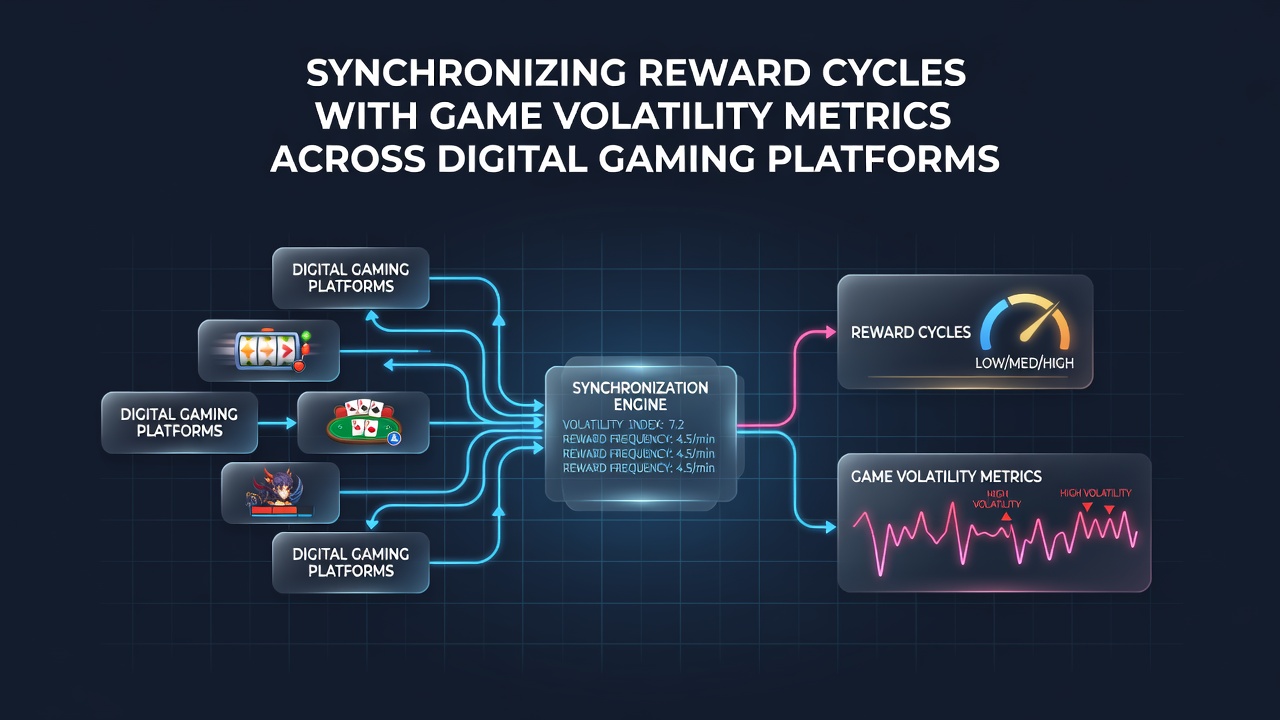
Developers across console, PC, and mobile environments measure volatility through statistical models that track outcome variance in loot distribution, match results, and progression speed, while reward cycles operate on fixed or adaptive schedules that deliver experience points, currency, or items at predictable intervals. Synchronization occurs when teams adjust the timing and magnitude of these rewards to match the volatility profile of each title, creating retention patterns that data from industry reports consistently link to higher session lengths and lower churn rates. In August 2026 platform telemetry showed measurable lifts in daily active users on titles that aligned high-volatility combat systems with staggered milestone bonuses rather than uniform daily grants.
Defining Volatility Metrics in Digital Games
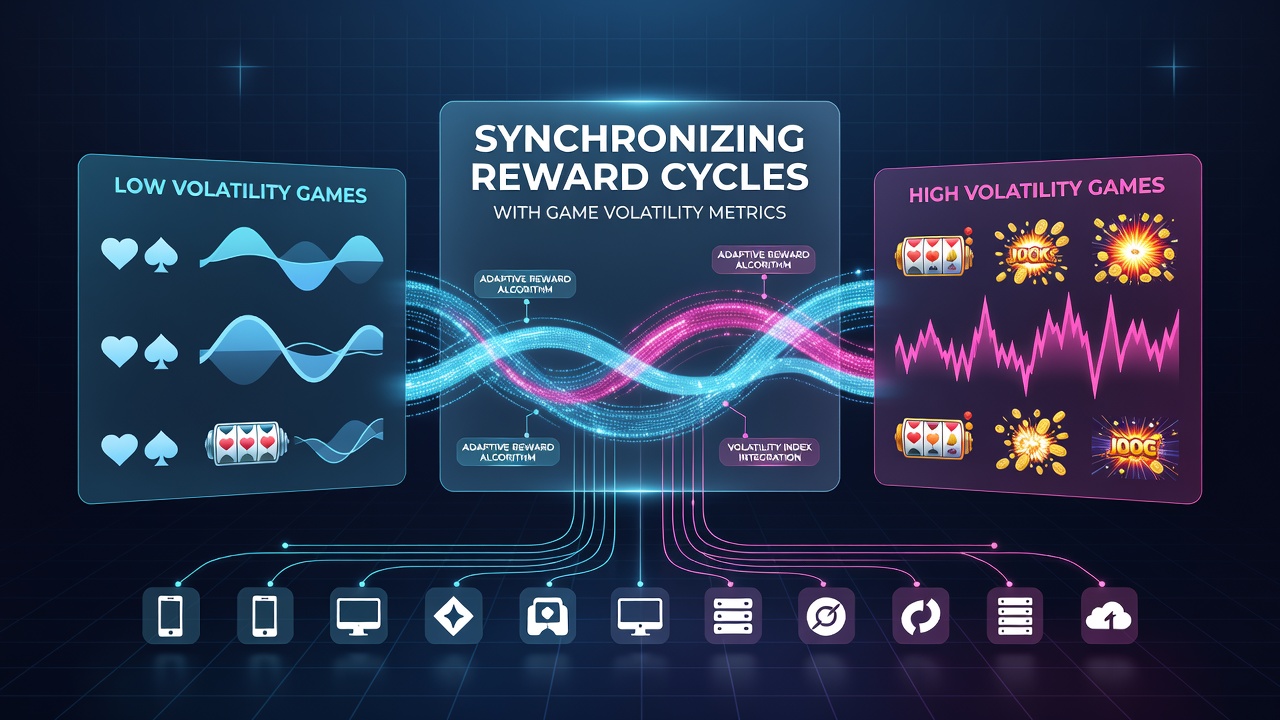
Volatility metrics capture the standard deviation of player outcomes within a given mechanic, whether that involves rare weapon drops in action titles or ranking fluctuations in competitive modes, and researchers at institutions such as the University of Alberta have published frameworks that quantify these deviations using historical match datasets. Game teams then categorize titles into low, medium, or high volatility bands based on the frequency and size of positive deviations, which allows designers to predict how players will perceive fairness over extended play periods. Those who study these patterns note that high-volatility games generate larger emotional swings yet require more precise reward pacing to prevent extended dry spells from driving exits.
Mapping Reward Cycles to Volatility Levels
Reward cycles encompass login streaks, event calendars, battle-pass tiers, and algorithmic personalization engines that release incentives at set intervals, and synchronization begins with mapping each cycle length against the volatility band of the core loop. Medium-volatility role-playing games often pair weekly narrative milestones with smaller daily resource grants, whereas high-volatility battle-royale titles shift larger prize pools to monthly tournaments so that variance in individual matches does not undermine overall progression feel. Data from the Entertainment Software Association indicates that platforms implementing these alignments recorded average playtime increases of 18 percent across tracked portfolios in the first half of 2026.
Implementation Across Platform Ecosystems
Cross-platform services apply unified backend systems that ingest volatility scores from each client version and then modulate reward delivery through server-side rules, ensuring mobile sessions receive compressed cycles that account for shorter attention windows while console sessions maintain longer arcs suited to extended play. Engineers test these rules through A/B deployments that compare retention curves before and after adjustments, and results from multiple studios show that mismatched timing produces steeper drop-off curves within the first fourteen days. One documented case involved a multiplayer shooter where weekly reward chests were recalibrated to open after volatility spikes in ranked modes, producing steadier engagement graphs across regions.
Measurement and Adjustment Protocols
Teams rely on telemetry pipelines that stream per-player outcome distributions into dashboards updated in real time, allowing live tuning of reward probabilities when volatility readings exceed preset thresholds. Australian research groups tracking mobile titles have documented how quarterly reviews of these pipelines correlate with sustained revenue per user when reward density is scaled proportionally to observed variance. Adjustments occur through parameter changes rather than full redesigns, and the process repeats every development sprint to accommodate seasonal content that can alter baseline volatility.
Observed Outcomes in Live Environments
Platforms that publish transparency reports on progression systems reveal that synchronized titles maintain higher cohort survival rates at the thirty-day and ninety-day marks compared with unsynchronized counterparts. European industry associations tracking digital entertainment have aggregated anonymized figures showing reduced support-ticket volume related to perceived grind when reward timing matches volatility signatures. These patterns hold across genres from strategy games to sports simulations, provided the underlying metrics remain consistent and the adjustment cadence keeps pace with content updates.
Conclusion
Digital gaming platforms continue to refine synchronization methods by combining statistical volatility models with adaptive reward schedules, and ongoing telemetry from August 2026 deployments confirms that alignment between these two systems supports measurable gains in retention and session metrics. Continued collaboration between data scientists, designers, and platform operators sustains these improvements as new titles introduce fresh variance profiles each season.