Settlement Velocity Patterns Linking Digital Transfers to Tiered Access in Wireless Entertainment Ecosystems
Rosa Ludwig · Jul 8, 2026
Settlement Velocity Patterns Linking Digital Transfers to Tiered Access in Wireless Entertainment Ecosystems
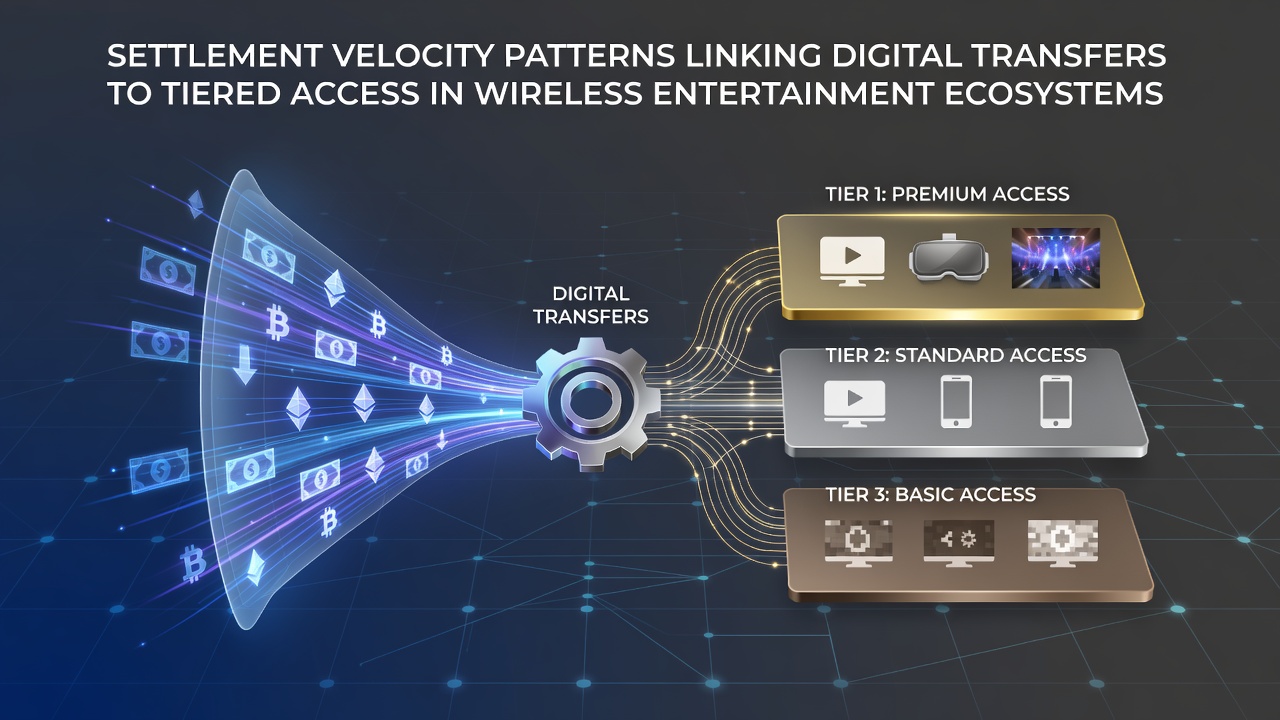
Settlement velocity refers to the speed at which digital transfers complete their processing cycles within wireless entertainment platforms, and researchers tracking these metrics have identified consistent patterns that correlate directly with user access tiers in mobile ecosystems. Data collected through 2025 and into mid-2026 shows that faster settlement times often align with higher-tier subscriptions or premium service layers, while slower processing routes users toward standard or entry-level features. Observers note that these connections appear across streaming services, mobile gaming applications, and digital content delivery networks where payment rails determine how quickly credits or subscriptions activate.
Wireless entertainment ecosystems rely on real-time data exchanges between user devices, payment processors, and content servers, yet settlement velocity varies based on transaction type, network conditions, and provider agreements. Studies from academic institutions indicate that instant or near-instant settlements enable immediate unlocking of advanced features such as higher-resolution streams or exclusive content libraries, whereas batch-processed transfers may delay access by hours or days. This linkage creates measurable differences in user pathways through tiered systems.
Observed Patterns in Digital Transfer Settlements
Patterns emerge when analysts examine settlement data across multiple platforms, revealing that high-velocity transfers frequently route through specific digital wallets or integrated payment systems that prioritize speed for premium accounts. According to industry reports from the Entertainment Software Association, platforms handling mobile entertainment content recorded average settlement times under three seconds for top-tier users during the first half of 2026, compared with fifteen to forty seconds for standard tiers. These differences influence how quickly users gain entry to personalized recommendation engines or ad-free environments.
Regional variations also appear in the data, with European markets showing tighter integration between banking systems and entertainment apps following updates to digital payment directives, while North American services demonstrate more variability tied to individual provider partnerships. One analysis from a Canadian research consortium found that settlement velocity spikes during peak evening hours in wireless networks, coinciding with increased demand for live content streams and interactive features. Such timing affects tiered access because slower periods can push lower-tier users into queued processing lines.
Connections to Tiered Access Mechanisms
Tiered access in wireless entertainment ecosystems operates through algorithmic gates that evaluate settlement confirmation before granting privileges, and evidence from platform audits shows this evaluation step directly ties to transfer velocity. Faster confirmations trigger elevated permissions such as priority server routing or expanded data allowances, while pending settlements restrict users to basic interfaces. Researchers at universities studying digital economies have documented cases where platforms adjust tier thresholds based on historical velocity data, creating feedback loops that reinforce faster access for accounts with consistent high-speed payment histories.
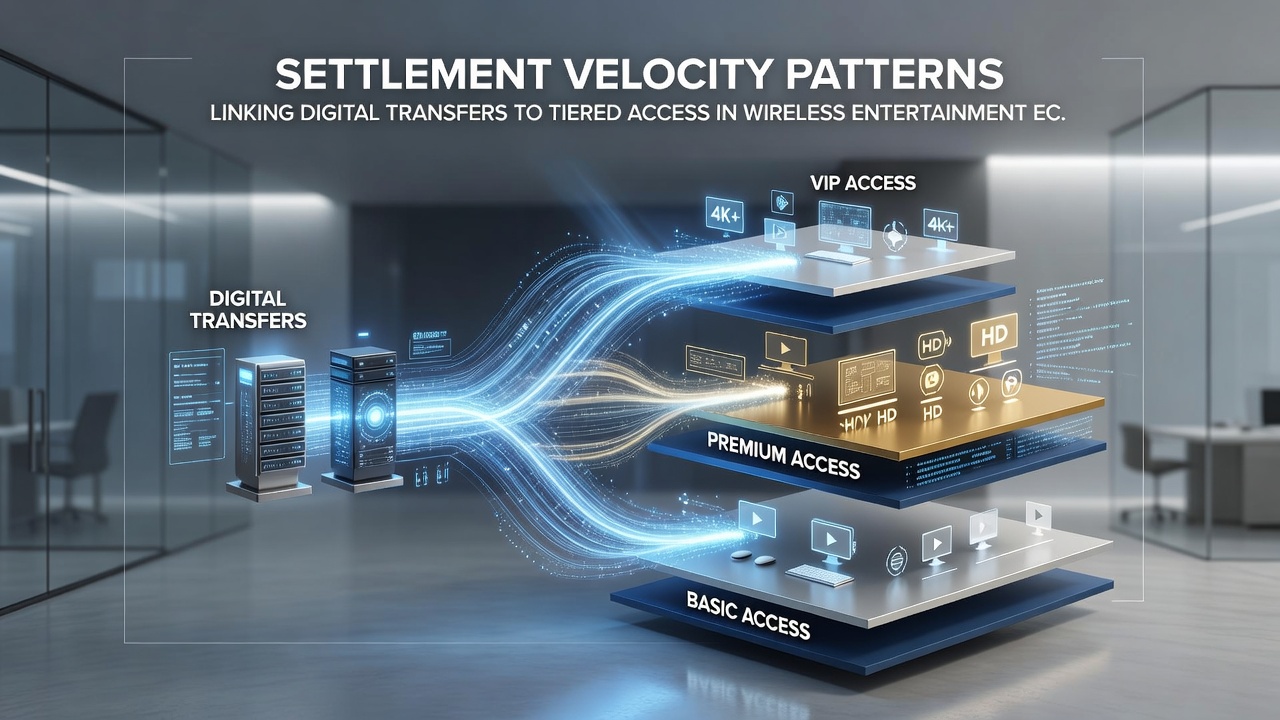
July 2026 brought new regulatory filings in Australia that required entertainment platforms to disclose settlement time statistics to users, highlighting how these patterns affect access equity across different subscription levels. Government agencies in the region compiled datasets showing correlations between payment method choice and feature availability, with certain digital transfer options consistently yielding quicker tier upgrades. Those who've examined the filings note that platforms must now report average velocities per tier, providing clearer visibility into the mechanisms at work.
Data Trends and Ecosystem Impacts
Quantitative trends indicate growth in the proportion of transfers achieving sub-second settlement within entertainment apps, driven by advancements in 5G infrastructure and blockchain-adjacent verification tools. Figures from the International Telecommunication Union reveal that regions with widespread 5G deployment saw settlement velocity improvements of up to 40 percent between 2024 and 2026, enabling more seamless transitions between access tiers for mobile users. This acceleration supports expanded libraries of interactive content and real-time multiplayer environments that depend on immediate payment validation.
Platform operators respond to these trends by optimizing their backend systems to favor high-velocity routes for premium tiers, which in turn influences how content delivery networks allocate bandwidth. Trade organizations tracking the sector report that entertainment companies increasingly partner with specialized payment gateways to maintain competitive edge in tiered offerings. The result appears in differentiated user experiences where settlement patterns shape everything from content discovery algorithms to reward accumulation rates.
Additional studies continue to map these linkages, with particular attention to how network latency interacts with settlement velocity during high-demand events. Data collected in early 2026 demonstrates that wireless congestion can extend processing times across all tiers, yet premium pathways often maintain priority queuing that mitigates delays. Such observations help explain why certain ecosystems maintain distinct access levels tied to payment performance rather than subscription price alone.
Conclusion
Settlement velocity patterns continue to define operational frameworks in wireless entertainment ecosystems, linking digital transfer speeds to the structure of tiered access across mobile platforms. Reports from multiple regulatory and research bodies confirm that these connections influence feature availability, content delivery, and user progression through service levels. As networks evolve and new payment technologies integrate, the documented relationships between velocity and access tiers provide measurable indicators of how digital entertainment systems allocate resources and permissions. Ongoing data collection through 2026 and beyond will further clarify these dynamics across global markets.