How Processing Durations for Various Transaction Options Determine Access to Specialized Live Dealer Sessions and Machine Configurations Within Application Interfaces
Vera Vogel · Jul 27, 2026
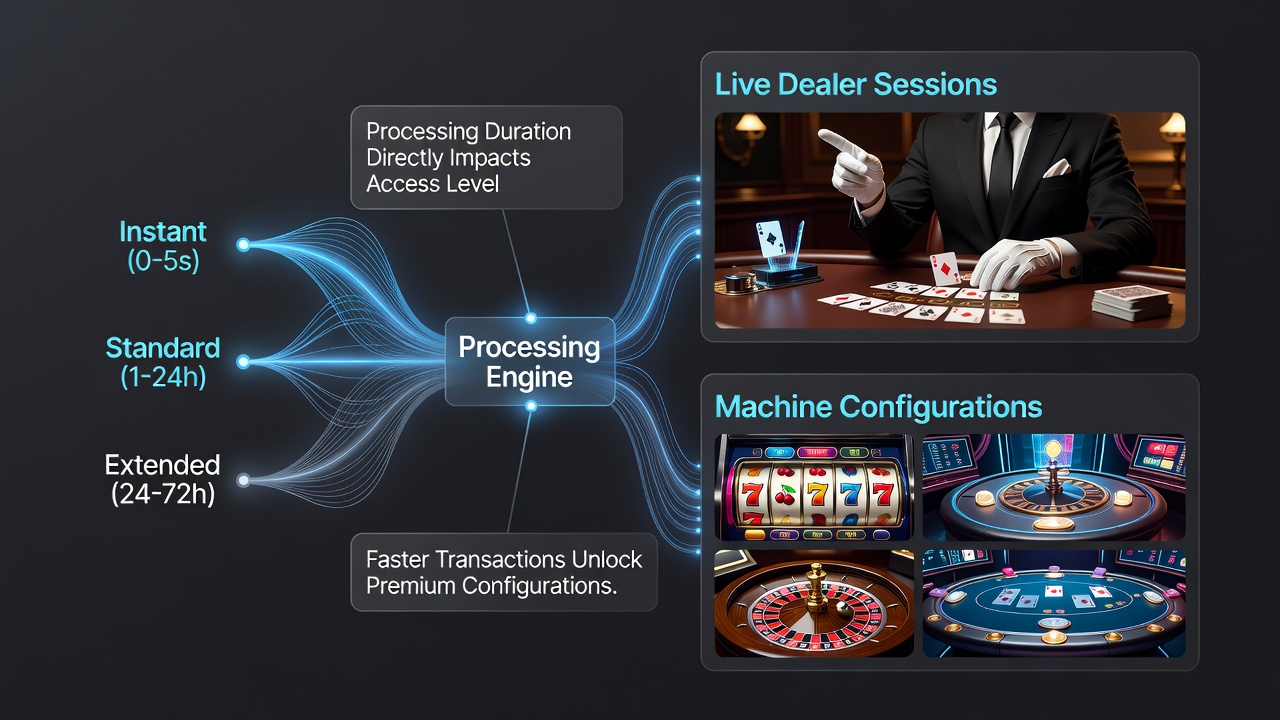
How Processing Durations for Various Transaction Options Determine Access to Specialized Live Dealer Sessions and Machine Configurations Within Application Interfaces
Transaction processing times play a direct role in shaping what users encounter inside casino applications, particularly when it comes to live dealer environments and customized slot setups. Payment methods such as credit cards, bank transfers, digital wallets, and prepaid options each carry distinct settlement speeds that platforms use to unlock or restrict certain features. Operators configure their systems so that quicker confirmations grant immediate entry to premium tables staffed by professional dealers, whereas slower methods may route users toward standard sessions until verification completes.
Transaction Methods and Their Typical Timelines
Credit and debit card deposits often clear within seconds to minutes on most platforms, allowing users to proceed straight into specialized live dealer rooms that require verified balances. In contrast, traditional bank transfers can extend from several hours to multiple business days depending on the institutions involved and the time of initiation. Digital wallet services frequently fall between these extremes, with many completing transfers in under an hour while still subjecting larger amounts to additional security checks.
Prepaid card options and voucher systems tend to activate almost instantly once a code is entered, yet they sometimes carry daily limits that affect how quickly a user can scale up to higher-stakes configurations. Application interfaces monitor these durations in real time and adjust available content accordingly, creating a tiered access model based purely on settlement speed rather than account history alone.
Access Patterns for Live Dealer Environments
Live dealer sessions hosted through dedicated studios often require confirmed funds before players receive seat assignments at exclusive tables. Platforms route faster-processed transactions directly to these rooms, where minimum buy-ins and game variants differ from the public offerings. Slower transactions may place users in a holding queue or direct them to automated tables until the payment clears and the system updates their status.
Data compiled by regional regulators shows consistent patterns across multiple jurisdictions. One analysis released in early 2026 by the Malta Gaming Authority documented how processing delays correlated with reduced participation rates in live formats during peak evening hours. Similar observations emerged from reports issued by the Australian Communications and Media Authority, which tracked user movement between standard and premium dealer streams based on funding method.
Machine Configuration Adjustments Tied to Settlement Speed
Slot and video reel interfaces within applications frequently adjust parameters such as reel layouts, payline selections, and bonus trigger frequencies once a deposit registers. Faster transactions enable immediate access to custom configurations that operators reserve for verified sessions, including altered volatility settings or themed progressions not present in default modes. Slower methods keep users in baseline setups until the transaction finalizes and the application refreshes the available options.
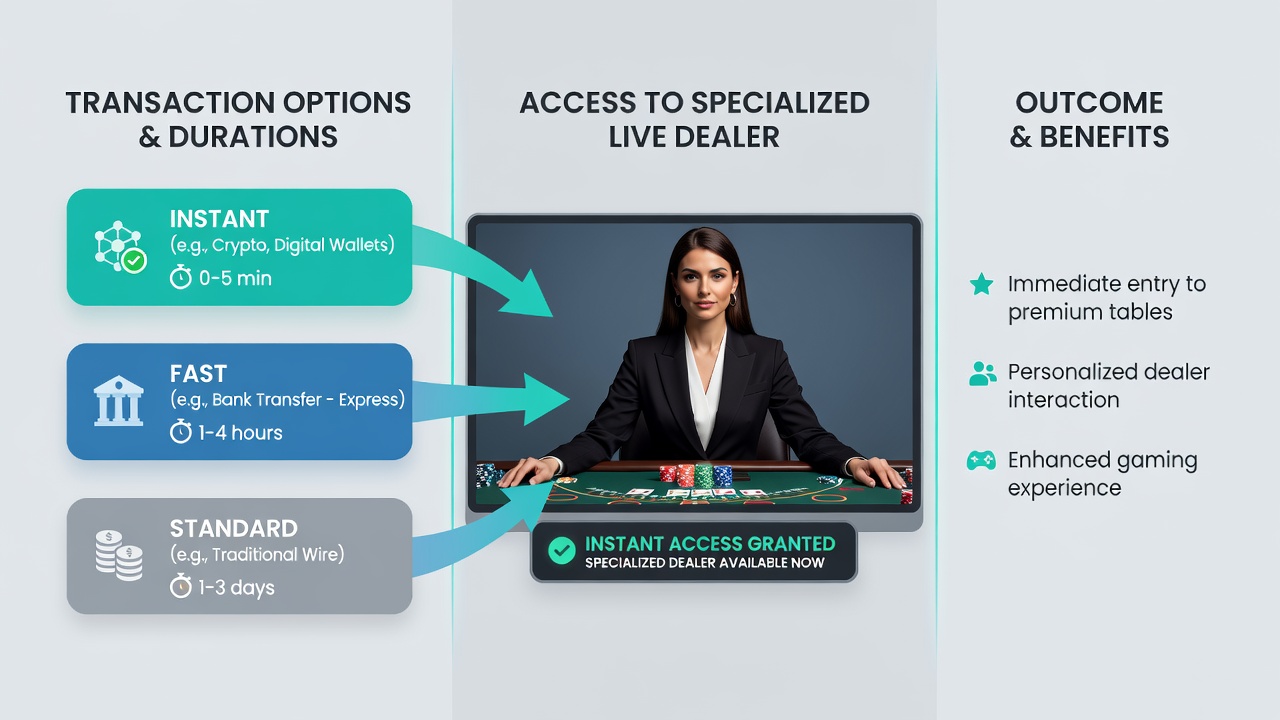
Developers implement these controls through backend flags that read the timestamp of each confirmed payment. In July 2026 several major platforms updated their algorithms to shorten the window between deposit clearance and configuration unlock, responding to user feedback collected through in-app surveys. These changes reduced the average wait from fifteen minutes to under three minutes for certain wallet-based methods while leaving bank transfer users subject to the original timelines.
Platform Architecture and Real-Time Monitoring
Application servers maintain separate queues for each transaction category and cross-reference them against live dealer availability and machine configuration libraries. When a payment clears quickly the system automatically assigns the user to the next available specialized session or loads the requested reel setup. Slower payments trigger fallback protocols that preserve standard access until verification succeeds. Observers note that this architecture minimizes server load during high-traffic periods while maintaining clear distinctions between user cohorts.
Industry reports from the European Gaming and Betting Association indicate that transaction-duration gating has become a standard feature across large-scale operators by mid-2026. The same reports highlight how these systems integrate with broader responsible gambling tools, pausing access to advanced configurations when spending thresholds are reached regardless of payment speed.
Conclusion
Processing durations for different transaction options directly influence which live dealer sessions and machine configurations become available inside casino applications. Faster methods open premium tables and customized reel environments almost immediately, while slower options maintain users in baseline experiences until confirmation arrives. Regulatory data from multiple regions continues to document these relationships, and platform updates scheduled through 2026 aim to refine the timing thresholds that control such access. The mechanisms remain technical rather than discretionary, driven by the measurable speed at which each payment method settles within the application's backend systems.