Exploring Settlement Speed Variations and Their Effects on Progressive Feature Unlocks in Application-Based Gambling Environments
Rosa Ludwig · Aug 15, 2026
Exploring Settlement Speed Variations and Their Effects on Progressive Feature Unlocks in Application-Based Gambling Environments
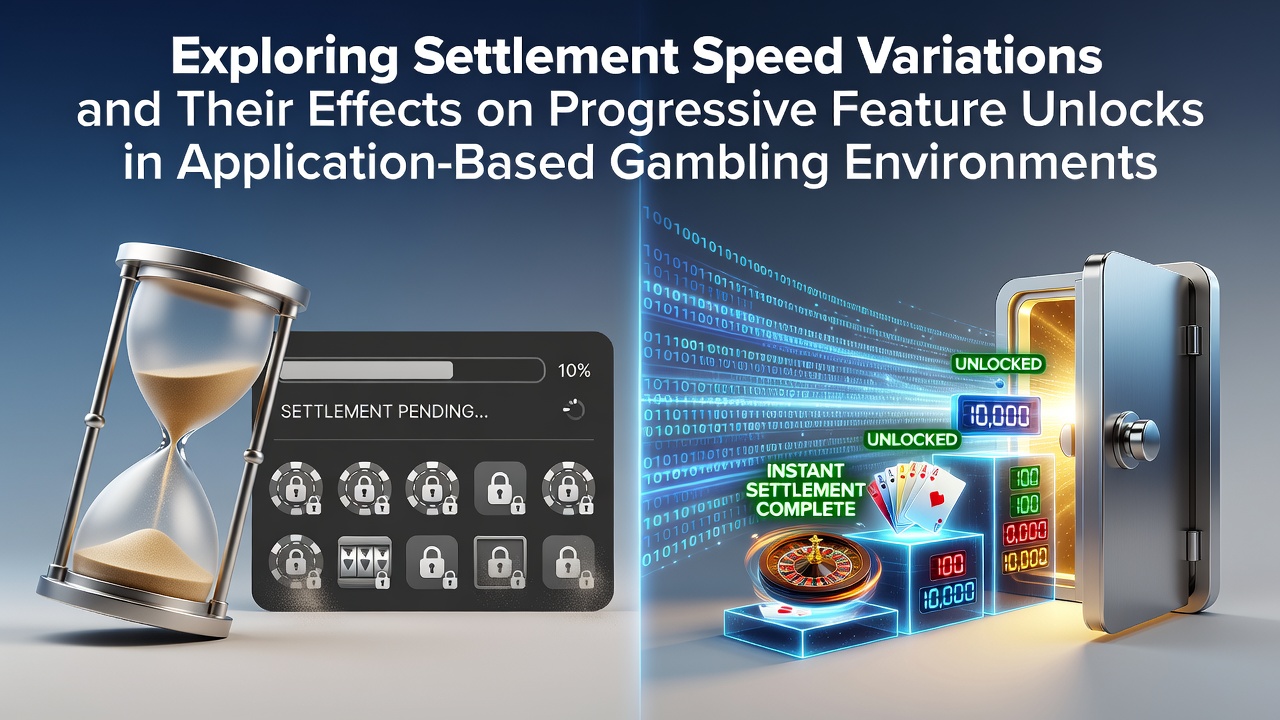
Application-based gambling platforms rely on varying settlement speeds for deposits and withdrawals, which directly influence how quickly users access progressive features such as bonus rounds, level advancements, and tiered reward systems. Settlement speed refers to the time required for funds to clear and become available within the app environment, and differences arise from payment method choices including cryptocurrency transfers, e-wallets, and bank integrations. Data from mobile gaming analytics in August 2026 indicate that faster settlements correlate with earlier unlocks in many progressive systems, while slower processes delay feature activation until confirmation completes.
Settlement Speed Categories in Mobile Gambling Applications
Settlement speeds fall into distinct categories based on the underlying technology and provider networks, with instant options completing in under 60 seconds through blockchain confirmations or digital wallet pushes, whereas traditional bank transfers often require 24 to 72 hours for full clearance. Application developers design progressive unlock mechanics around these timelines, so that features tied to deposit thresholds activate only after the system registers cleared funds. Researchers at gaming technology conferences have documented how apps using stablecoin protocols achieve near-immediate availability compared to those processing fiat through intermediary processors, creating measurable differences in user progression rates across similar game libraries.
Observers note that cryptocurrency-based settlements frequently bypass multiple verification layers found in conventional banking rails, allowing progressive features like accumulating jackpot meters or multi-level bonus ladders to trigger sooner. In contrast, apps that default to slower ACH or wire methods impose waiting periods that hold feature access in pending status until settlement confirmation arrives. Studies conducted across North American and European markets reveal consistent patterns where settlement duration serves as the gatekeeper for these unlocks rather than the deposit amount alone.
Impact on Progressive Feature Activation Timelines
Progressive features in gambling applications often include escalating multipliers, additional reel configurations, and exclusive live dealer tables that unlock after meeting cumulative activity thresholds, yet the settlement speed determines when those thresholds register as met. Faster settlements enable immediate progression because the app registers the deposit in real time, whereas delayed settlements create a lag that postpones feature availability even when the nominal amount has been transferred. Industry reports compiled in August 2026 show that platforms integrating instant settlement options record higher rates of feature engagement within the first hour of deposit compared to those reliant on standard processing windows.
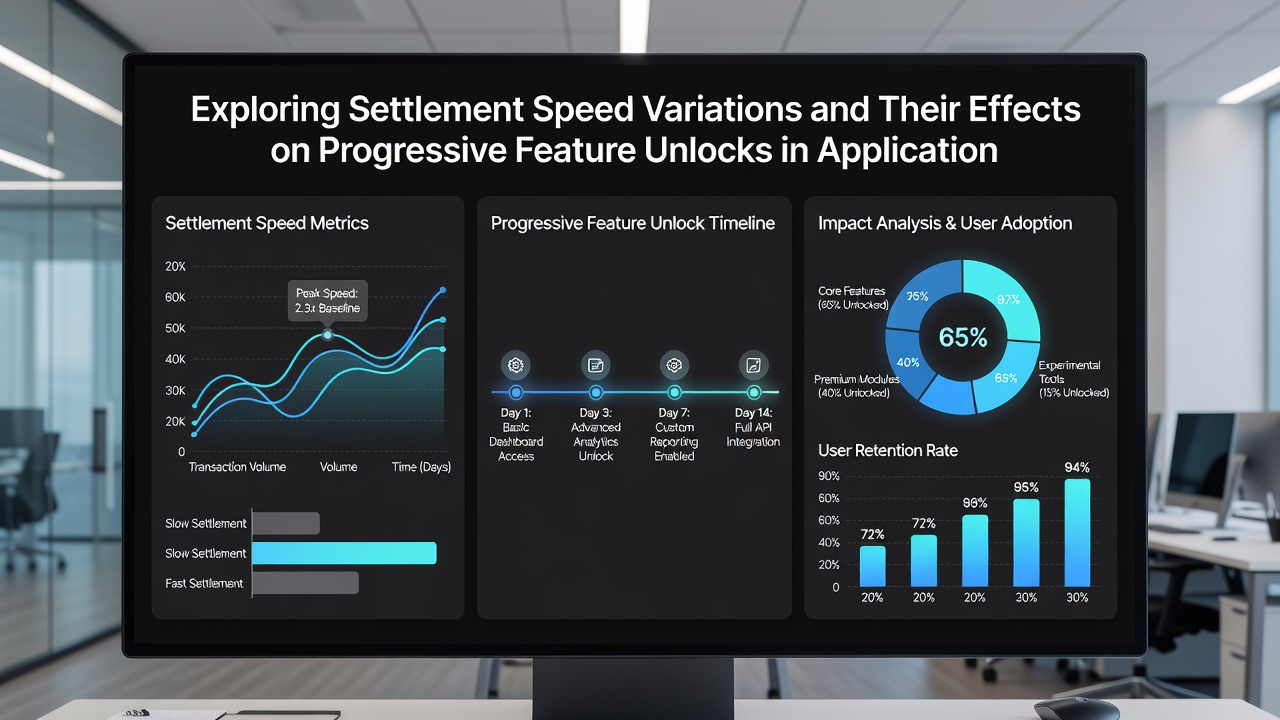
Take one developer who integrated tiered reward systems tied directly to settlement confirmations; users employing rapid crypto rails advanced through unlock stages measurably quicker than those using slower alternatives, according to internal platform metrics shared at developer forums. This timing difference affects not only individual progression but also the overall distribution of feature usage across the player base, because delayed settlements shift activation windows into later sessions. Data indicates that settlement speed variations produce uneven unlock patterns, with instant methods concentrating feature access early while slower methods spread it across multiple days.
Technical Mechanisms Linking Settlement to Unlocks
Application back-end systems monitor settlement events through API callbacks from payment gateways, and these events serve as the trigger signals for progressive feature release protocols. When settlement completes quickly, the app updates user account states without additional manual intervention, allowing progressive counters to advance and unlock conditions to evaluate in sequence. Slower settlements require the system to maintain pending transaction records, which delays the evaluation step until clearance occurs and thereby extends the time before features become active.
Those who have examined code structures in gambling applications find that settlement speed directly feeds into conditional logic governing feature gates, where a confirmed balance increase immediately satisfies prerequisites for progressive elements. Platforms that support multiple settlement pathways therefore create divergent user experiences based solely on the chosen funding method, because each pathway carries its own confirmation latency. Figures from transaction monitoring services in August 2026 demonstrate that apps emphasizing crypto settlement options achieve more consistent unlock timing across regions compared to those incorporating legacy banking integrations with variable clearance durations.
Regional Variations in Settlement Practices
Regulatory frameworks in different jurisdictions shape available settlement speeds, with some markets permitting rapid blockchain-based options while others mandate additional verification steps that extend processing times. Nevada Gaming Control Board documentation outlines how licensed mobile platforms must balance settlement efficiency against compliance requirements, resulting in hybrid systems that offer both instant and standard pathways. Canadian provincial regulators similarly track settlement performance as part of operational reporting, and comparative analyses show that regions allowing broader crypto adoption experience shorter average delays before progressive features activate.
One analysis of transaction logs from multiple operators found that settlement speed differences produce distinct progression curves even when deposit volumes remain comparable, highlighting the role of infrastructure choices in feature accessibility. These patterns hold across various application designs, suggesting that settlement speed functions as an independent variable influencing unlock dynamics rather than a secondary factor subordinate to game mechanics alone.
Conclusion
Settlement speed variations continue to determine the pace at which progressive features unlock within application-based gambling environments, with faster methods enabling earlier access and slower methods introducing measurable delays. Technical implementations tie feature activation directly to settlement confirmations, while regional regulatory approaches influence which speeds operators can offer. Data collected through August 2026 underscores the consistent relationship between clearance timelines and progression outcomes across diverse platforms and markets.