Digital Transaction Flows: Enabling Personalized Reel Enhancements and Live Table Privileges in App-Based Reward Structures
Vera Vogel · Aug 22, 2026
Digital Transaction Flows: Enabling Personalized Reel Enhancements and Live Table Privileges in App-Based Reward Structures
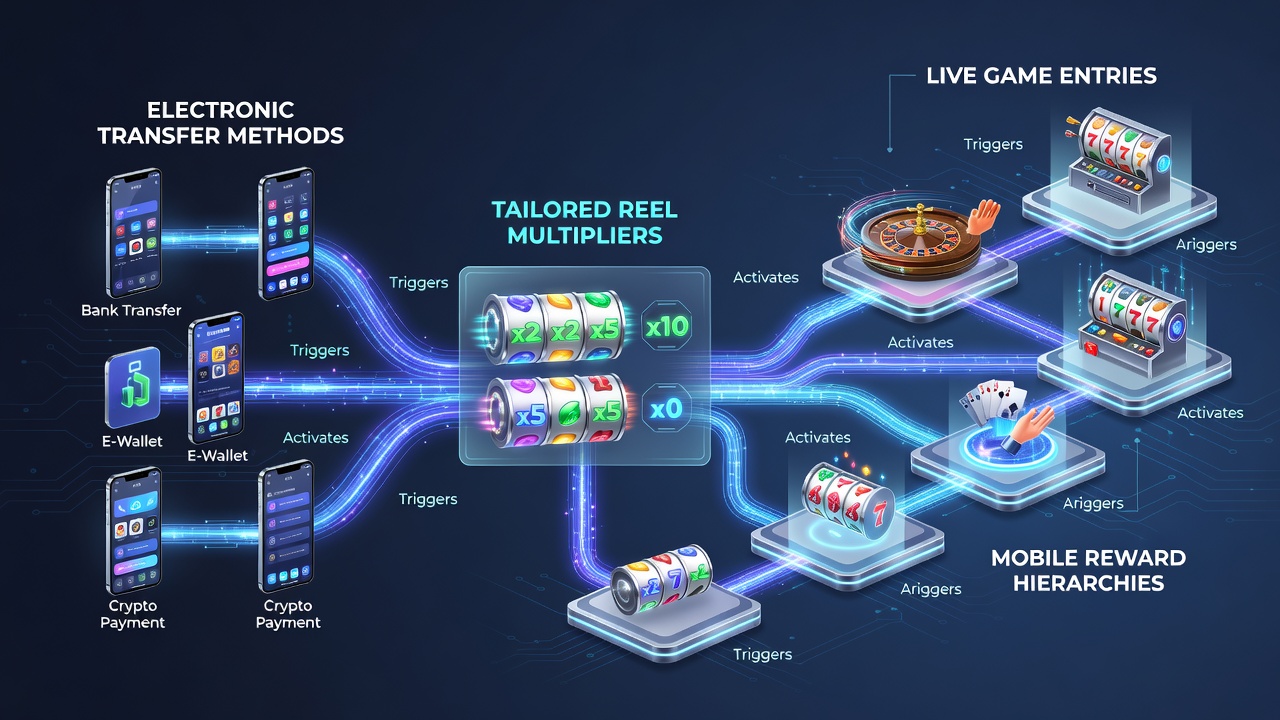
Electronic transfer methods now form the backbone of many mobile casino reward hierarchies where instant settlements often activate tailored reel multipliers alongside live game entries. Systems track transaction size, frequency, and payment type to assign specific multiplier values that apply directly to slot reels while unlocking exclusive live dealer tables for qualifying users. Data from various operators indicates these mappings rely on predefined algorithms that categorize transfers into tiers, each tied to distinct bonus outcomes across handheld platforms.
Core Mechanisms Behind Transfer Detection
Payment processors integrated into mobile applications monitor incoming funds through secure APIs that log details such as currency type, settlement speed, and source wallet. Once verified, the data feeds into reward engines that calculate eligibility for reel multipliers ranging from 2x to 10x on initial spins or grant direct access passes to live blackjack and roulette rooms. Observers note that crypto-based transfers frequently bypass intermediate verification steps compared with traditional card methods, resulting in quicker assignment of higher-tier privileges within the same hierarchy levels.
Researchers have documented how certain platforms segment users based on cumulative transfer volumes over 30-day windows, with August 2026 updates to several major apps introducing refined thresholds that prioritize instant settlement methods for premium live game queues. These adjustments align with broader industry shifts toward real-time processing that reduces latency between deposit confirmation and bonus activation.
Mapping Multiplier Triggers to Specific Transfer Types
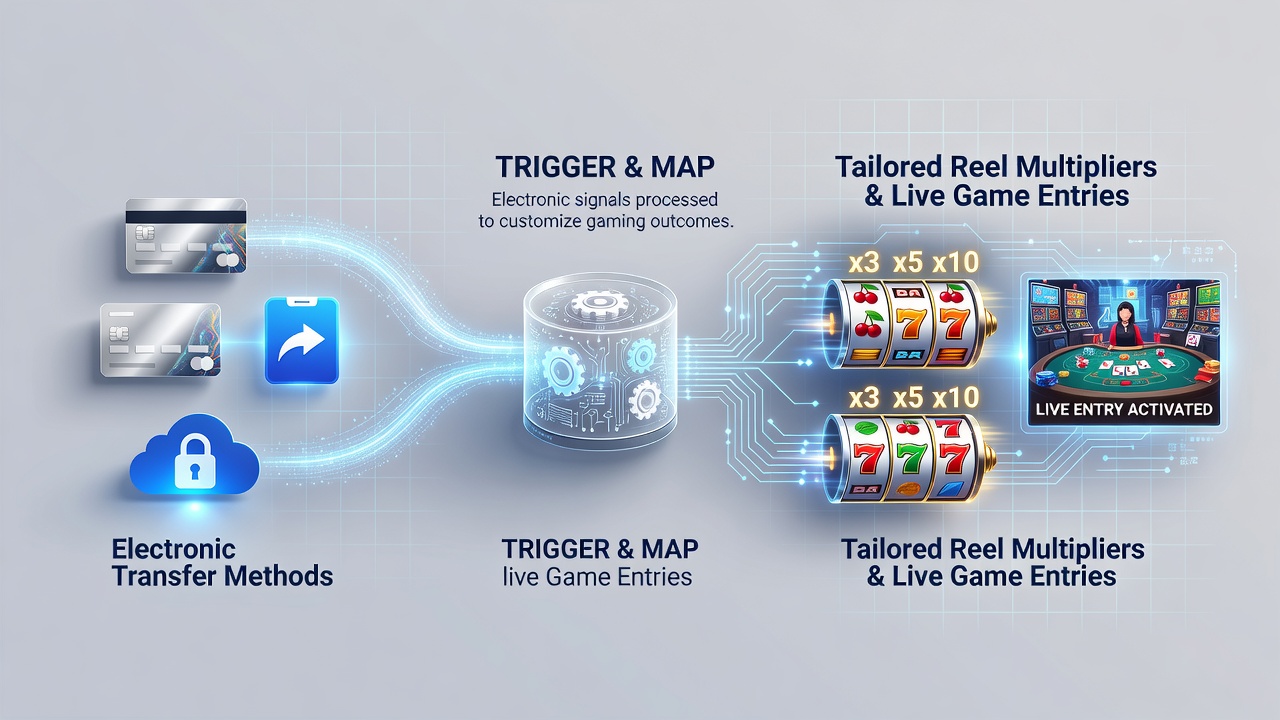
Studies of app architectures reveal distinct pathways where e-wallet deposits of set amounts trigger fixed multiplier packages on designated reel configurations. For instance, transfers exceeding defined thresholds often map to stacked wild features or progressive multiplier ladders that persist across multiple sessions. Live game entries follow parallel logic, converting the same transaction data into timed access codes for private dealer tables reserved for higher reward tiers.
According to reports from the Nevada Gaming Control Board, regulatory filings show operators must maintain transparent logs of these mappings to ensure compliance with fairness standards during bonus distribution. The board's oversight extends to verifying that electronic methods do not create unintended advantages in multiplier calculations compared with slower funding channels.
Live Game Entry Pathways in Tiered Systems
Mobile reward hierarchies typically position live dealer access at mid-to-upper levels where transfer history determines queue priority and table minimums. Electronic methods that complete within seconds often accelerate movement through these tiers, granting users immediate entry to high-limit rooms while standard card transfers require additional confirmation cycles. Industry analyses indicate that platforms using blockchain settlements report higher conversion rates from deposit to live session participation because settlement finality occurs faster than legacy rails.
One documented case involves an operator that adjusted its hierarchy in early 2026 to link specific stablecoin transfers with bundled entries covering both multiplier-enhanced reels and live baccarat sessions. The change reflected patterns observed in user behavior data where quicker funding correlated with increased engagement across multiple game categories.
Integration Across Global Regulatory Environments
Frameworks in regions such as Malta and select Australian states require operators to publish clear documentation of how transfer methods influence reward allocations. These disclosures help maintain consistent application of multiplier values and entry protocols regardless of payment channel. Academic reviews from institutions like the University of Nevada, Las Vegas have examined similar systems, noting that algorithmic transparency reduces disputes over bonus eligibility when users switch between mobile wallets and other electronic options.
Yet the ball remains in the operators' court to update mapping logic as new transfer technologies emerge, ensuring hierarchies continue to reflect actual settlement behaviors rather than outdated assumptions about processing times.
Conclusion
Electronic transfer methods continue to shape mobile reward hierarchies through precise mappings that connect transaction characteristics directly to reel multipliers and live game access. As platforms refine these connections in response to regulatory requirements and user patterns observed through 2026, the underlying architecture remains focused on real-time verification that aligns funding speed with tier progression across portable interfaces. Ongoing documentation from oversight bodies and research groups provides the factual basis for understanding these operational flows without introducing variability in application.