Currency Conversion Layers Redefining Thresholds for Multiplayer Table Access in Digital Reward Hierarchies
Uma Foster · Aug 26, 2026
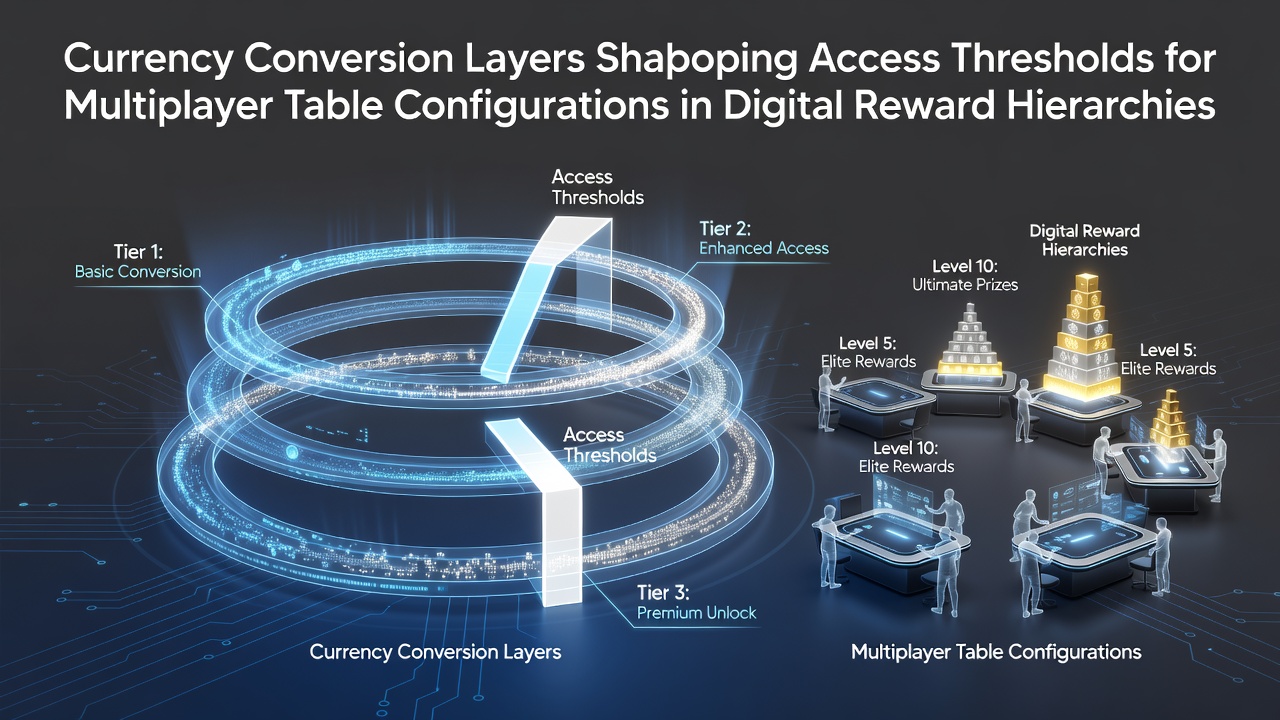
Currency Conversion Layers Redefining Thresholds for Multiplayer Table Access in Digital Reward Hierarchies
Digital reward hierarchies in online gaming platforms rely on layered currency conversion processes that determine entry points for multiplayer table configurations, and these mechanisms operate through sequential thresholds tied to account balances and transaction histories. Observers note that conversion layers typically handle exchanges between fiat currencies, cryptocurrencies, and platform-specific credits, which in turn adjust the minimum requirements players must meet before gaining access to specific table setups. Research indicates that platforms adjust these thresholds dynamically based on real-time exchange rates and player tier status, creating a system where access depends on both the converted value and the reward level achieved.
Mechanics of Currency Conversion in Reward Structures
Conversion layers function as intermediary steps that recalculate deposited funds into equivalent reward points or table credits, while factors such as network fees and volatility buffers influence the final amount applied to access thresholds. Experts have observed that in systems supporting multiple cryptocurrencies alongside traditional payments, the conversion sequence often prioritizes stablecoin routes to minimize fluctuations that could otherwise push a player below a required tier boundary. Data from industry reports shows that during periods of high market activity, platforms implement additional verification steps within these layers to maintain consistent access rules across different player segments.
Multiplayer table configurations add further complexity because they require synchronized credit allocations for all participants, meaning conversion outcomes must align precisely before a session begins. Those who have examined these platforms report that table access thresholds incorporate buffers to account for conversion variances, ensuring that a player's effective balance remains above the entry point even after fees are deducted. In August 2026, updates to several major platforms introduced automated reconciliation tools that process conversions in batches, reducing delays for players attempting to join higher-stakes multiplayer environments.
Impact on Access Thresholds Across Player Tiers
Reward hierarchies divide players into levels that dictate base thresholds, yet currency conversion layers can either lower or raise these barriers depending on the source currency and processing speed. Researchers discovered that players using faster-settling digital assets often encounter reduced effective thresholds because fewer intermediate fees apply during the conversion step. According to findings from the European Gaming and Betting Association, platforms in regulated markets have standardized certain conversion protocols to provide clearer threshold visibility for all tier levels.
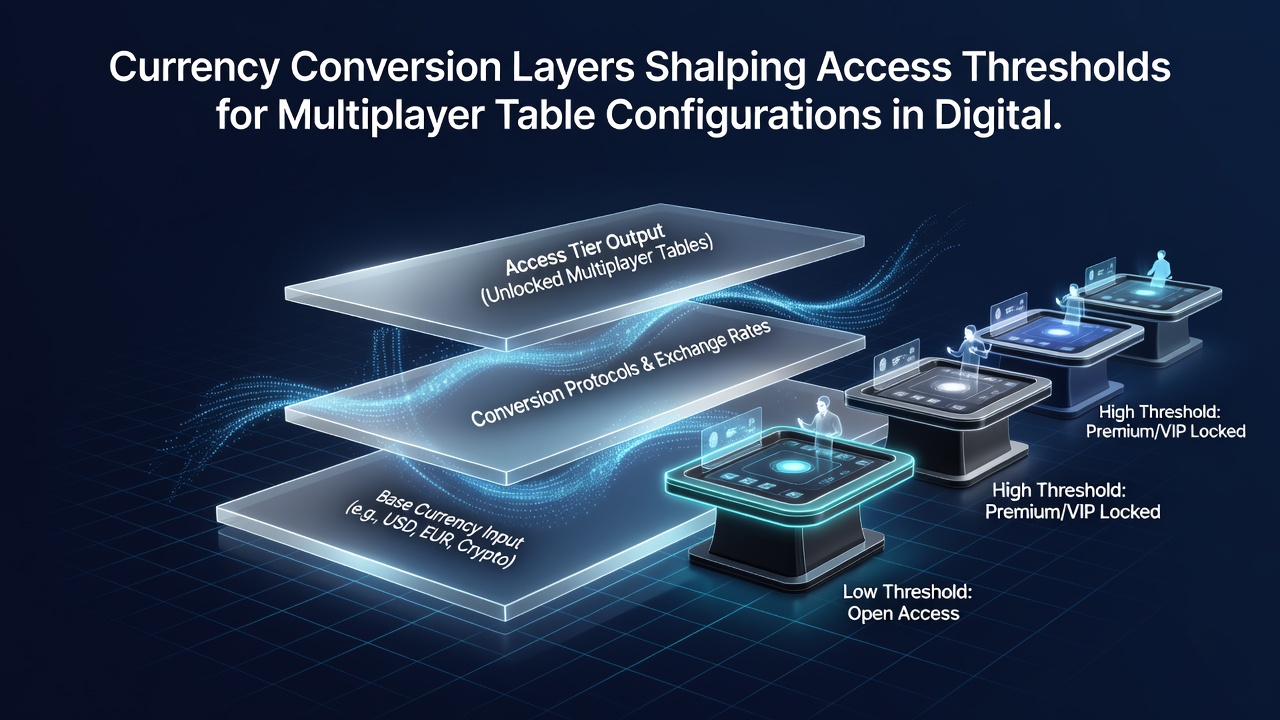
Take one case where a mid-tier player converts cryptocurrency holdings, the resulting credit amount determines whether that individual qualifies for a six-player table or must remain at four-player configurations, and the difference stems directly from how the layer applies exchange adjustments. Observers note that lower-tier accounts experience stricter buffers during conversion, which prevents premature access while higher tiers receive preferential rate treatments that streamline entry into exclusive table pools. Studies found that these tier-specific treatments maintain system balance by aligning converted values with the platform's overall reward distribution model.
Regional Variations and Platform Adaptations
Platforms operating across multiple jurisdictions adapt their conversion layers to comply with local financial regulations, which in turn affects how thresholds scale for multiplayer table access. Canadian regulatory frameworks, for instance, require transparent fee disclosures within conversion processes, and this transparency allows players to calculate exact threshold requirements before initiating transactions. Meanwhile, systems in the Asia-Pacific region often integrate additional compliance checks that extend conversion times but provide more predictable outcomes for reward hierarchy progression.
One study revealed that integration of real-time rate feeds into conversion layers has enabled platforms to offer threshold previews, letting players see adjusted access levels before committing funds. This feature appears most frequently in environments supporting both live dealer and digital table formats, where configuration options range from casual shared tables to private high-limit rooms. The reality is that conversion accuracy directly influences whether players can maintain consistent participation across different table types without repeated tier re-evaluations.
Conclusion
Currency conversion layers continue to serve as foundational elements that shape access thresholds within digital reward hierarchies, and their ongoing refinements affect multiplayer table configurations across global platforms. Evidence suggests that future adjustments will focus on reducing processing variances while preserving tier distinctions, allowing more seamless transitions between reward levels and table access options. Those monitoring these developments expect further standardization in how conversions interact with reward calculations, particularly as platforms expand support for diverse currency types.