Charting Sequenced Incentive Ladders Linking Deposit Gateways to Hybrid Reel and Table Privileges Within Encrypted Handheld Systems
Vera Vogel · Aug 17, 2026
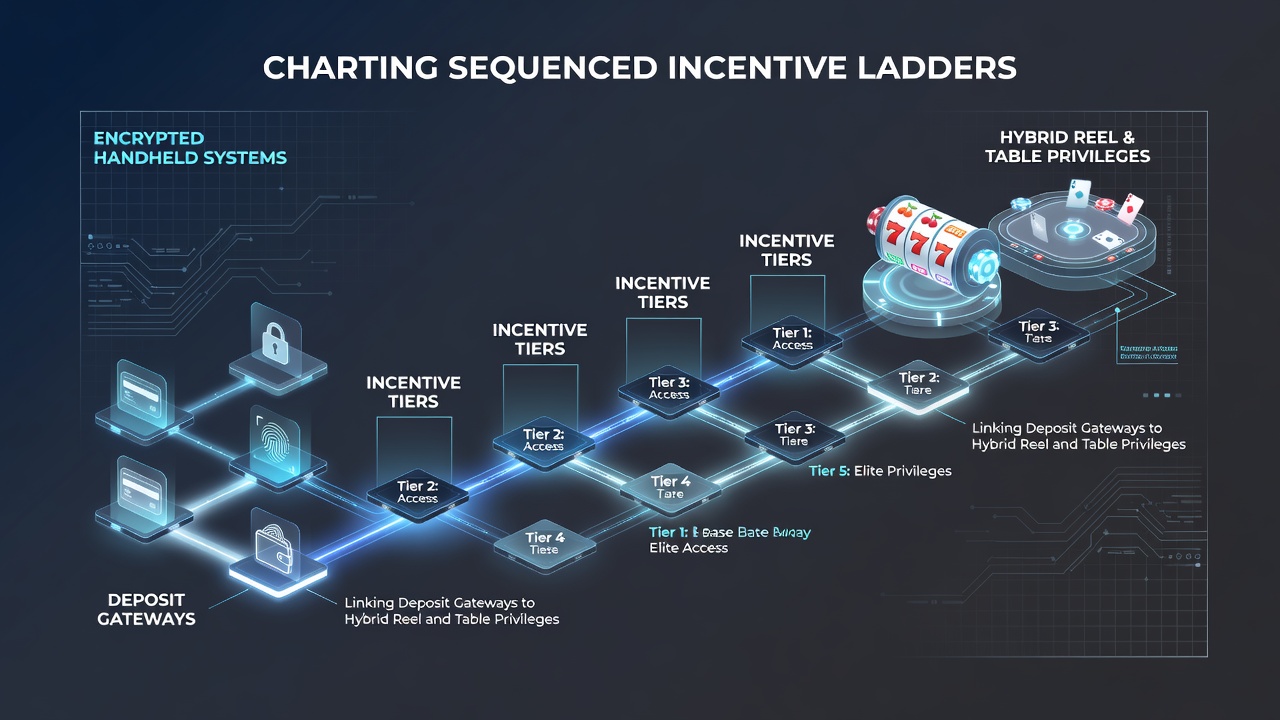
Charting Sequenced Incentive Ladders Linking Deposit Gateways to Hybrid Reel and Table Privileges Within Encrypted Handheld Systems
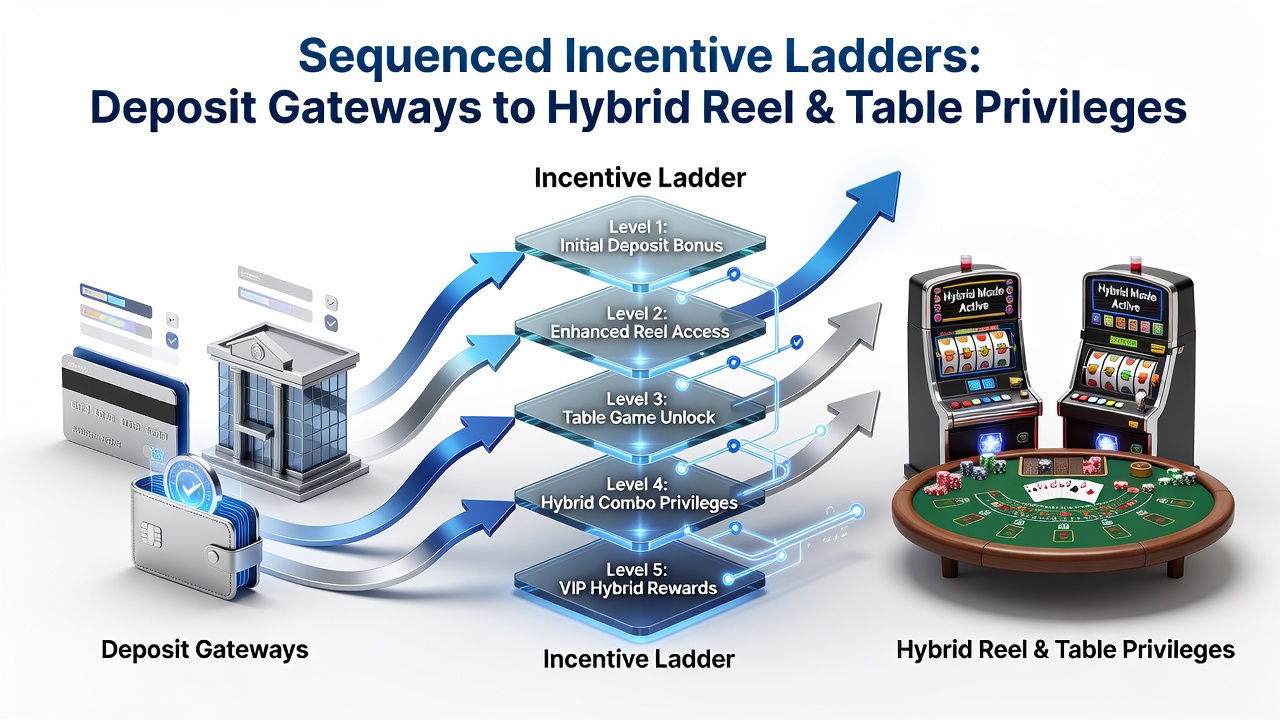
Sequenced incentive ladders operate as structured progression systems where initial deposits trigger successive levels of access and rewards within encrypted handheld gaming applications, and these ladders connect directly to both reel-based games and table game privileges through predefined cryptographic pathways that operators have refined over multiple platform iterations.
Mapping Deposit Gateways to Tiered Access
Deposit gateways serve as entry points that record transaction values and then route users into automated sequences where each completed deposit advances the account along a ladder of privileges, and data from industry reports shows these systems often integrate with mobile encryption protocols to secure the transfer of both funds and reward eligibility. Researchers at various academic institutions have documented how these gateways use timestamped ledgers to verify deposit sequences, which in turn unlock hybrid combinations of reel spins and table seating reservations that remain unavailable to accounts outside the progression track.
Operators have implemented these ladders in applications that run on handheld devices with end-to-end encryption, and the architecture ensures that each rung corresponds to specific thresholds of cumulative deposits rather than isolated transactions. One study released in mid-2026 tracked user progression across multiple platforms and found that accounts reaching the third ladder tier gained simultaneous access to enhanced reel configurations and private table sessions, while lower tiers retained only basic reel privileges.
Hybrid Reel and Table Integration Mechanisms
Hybrid privileges combine reel mechanics with table game elements by granting users who complete sequenced deposits the ability to switch between automated reel sequences and live dealer interfaces within the same encrypted session, and this integration relies on unified account profiles that carry forward eligibility across both game categories. Platform developers have engineered the systems so that table privileges activate only after reel-based milestones are met, creating a deliberate order that encourages continued deposits at each stage.
Figures released by the American Gaming Association indicate that mobile platforms incorporating these hybrid ladders reported higher average session durations in the first half of 2026 compared with platforms using flat bonus structures. The encryption layer protects the data streams that confirm privilege activation, preventing external interference while allowing seamless transitions between reel and table environments on the same device.
Encryption Standards and Handheld Platform Requirements
Encrypted handheld systems rely on advanced cryptographic standards to safeguard the sequenced ladders, and developers have aligned these standards with device-level security features such as biometric authentication and secure enclave processing. As of August 2026, several major operators updated their applications to incorporate newer encryption protocols that verify deposit sequences in real time before releasing hybrid privileges, and these updates coincided with broader industry shifts toward enhanced mobile security measures.
Regulatory bodies in regions including Canada and Australia have issued guidelines requiring transparent documentation of how deposit gateways feed into privilege ladders, and compliance reports show that platforms meeting these standards maintain detailed audit trails that link each deposit to specific reel or table unlocks. Observers note that the technical requirements for running these systems on handheld devices include consistent network connectivity to maintain the encrypted session integrity throughout the progression.
Progression Tracking and User Account Dynamics
Account tracking systems record every deposit and corresponding privilege advancement within centralized databases that sync across multiple handheld sessions, and this allows users to resume their position on the incentive ladder regardless of device changes. Data compiled by research groups affiliated with the European Gaming and Betting Association reveals that platforms employing sequenced ladders experienced measurable increases in account retention rates during the spring and summer months of 2026.
These tracking mechanisms also manage the allocation of hybrid privileges so that reel and table access remain balanced according to the ladder tier, preventing any single game category from dominating the reward distribution. Operators continue to refine the sequencing logic based on aggregated usage patterns while maintaining the core structure that ties deposits directly to privilege releases.
Conclusion
Sequenced incentive ladders represent a defined operational framework that connects deposit activity to layered access within encrypted mobile environments, and the continued evolution of these systems reflects ongoing technical and regulatory developments across multiple jurisdictions. Platforms that maintain clear mappings between gateways and hybrid privileges provide structured pathways that integrate both reel and table components under unified encryption protocols, and available data through August 2026 demonstrates consistent implementation patterns across the sector.