Blockchain Pathways Reshaping Eligibility Criteria for Exclusive Spins in Handheld Casino Formats
Petra Reed · Jul 15, 2026

Blockchain Pathways Reshaping Eligibility Criteria for Exclusive Spins in Handheld Casino Formats
Blockchain technology continues to alter how eligibility for exclusive spins gets determined within handheld casino formats, and developers integrate distributed ledger systems directly into mobile applications to verify player status through immutable transaction records. These pathways replace traditional centralized databases with decentralized verification methods that track wagering activity, deposit histories, and loyalty metrics across portable interfaces.
Core Mechanisms Driving Eligibility Shifts
Smart contracts now automate much of the qualification process for exclusive reel spins, executing predefined conditions once blockchain nodes confirm specific criteria such as minimum transaction volumes or consecutive login patterns. Developers embed these contracts into mobile casino platforms so that eligibility checks occur in real time without requiring manual review from operators, while players access spins through verified wallet addresses that carry cryptographic proof of prior activity.
Research from the University of Nevada Las Vegas indicates that blockchain-based verification reduces discrepancies in reward distribution by recording every interaction on a shared ledger visible to both operators and regulatory auditors. This approach allows eligibility rules to incorporate data from multiple sessions across different devices, creating a unified profile that handheld formats pull from whenever a player launches the application.
Integration with Mobile Wallet Systems
Handheld casino formats increasingly link eligibility pathways to cryptocurrency wallets that maintain persistent records of deposits and withdrawals, enabling operators to set tiered spin access based on verifiable on-chain activity rather than session-based cookies or account flags. When a player completes a qualifying transaction, the wallet address receives a token that smart contracts reference during spin activation, ensuring only those meeting updated thresholds gain entry to exclusive rounds.
Figures from the Australian Communications and Media Authority show rising adoption of such wallet-linked systems in regulated markets, where mobile platforms must demonstrate transparent eligibility logic to maintain licensing compliance. These integrations also allow eligibility criteria to evolve dynamically as new blocks get added to the chain, reflecting recent activity without periodic database resets that older systems required.
Impact on Player Access Patterns
Eligibility for exclusive spins in handheld formats now often depends on multi-factor blockchain signals including transaction frequency, total volume committed over rolling periods, and participation in specific game categories that leave traceable entries on the ledger. Operators adjust these signals through governance proposals recorded on-chain, giving stakeholders visibility into how criteria shift over time while players monitor their own progress via mobile dashboard interfaces connected to the same ledger.
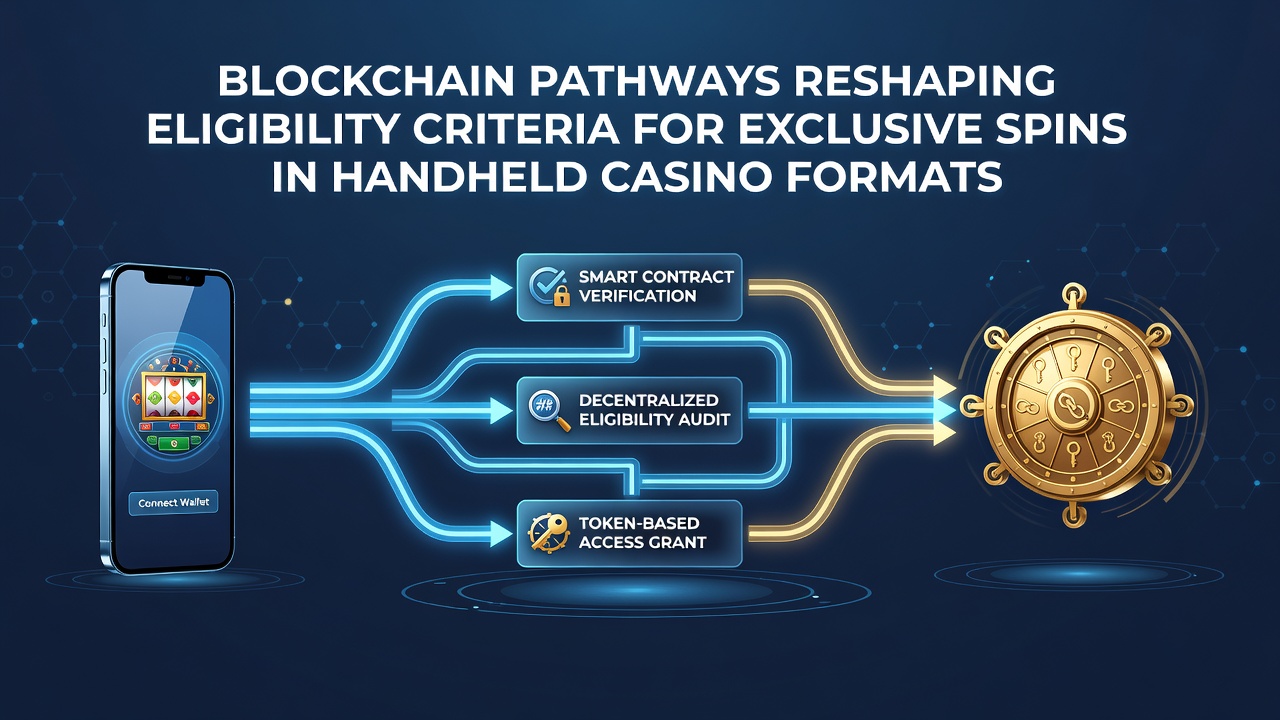
One documented implementation involves a tiered access model where lower-level spins unlock after a set number of confirmed deposits, while higher-tier exclusives require additional proof of sustained engagement recorded across multiple blockchain epochs. This structure appears in several portable casino applications launched or updated during July 2026, when multiple operators synchronized their systems with upgraded protocol versions that support faster finality for mobile transactions.
Regulatory and Technical Considerations
Regulatory bodies in various jurisdictions examine these blockchain pathways to ensure eligibility criteria remain fair and auditable, with emphasis on preventing manipulation of on-chain data that could artificially inflate qualification rates. Technical teams address scalability challenges by deploying layer-two solutions that process eligibility checks off the main chain while still anchoring final records to the primary ledger for transparency.
Those who've studied teh transition note that handheld formats benefit particularly from reduced latency in eligibility confirmation, since mobile users expect immediate access once conditions get met rather than waiting for batch processing cycles common in earlier centralized systems. Data aggregated across platforms shows consistent growth in spin redemption rates tied directly to these automated verification methods.
Future Trajectory for Eligibility Frameworks
Continued development of cross-chain compatibility tools allows eligibility criteria to incorporate activity from multiple blockchain networks, expanding the pool of verifiable actions that handheld casino formats can recognize when granting exclusive spin access. This expansion supports broader player bases while maintaining the cryptographic security that distinguishes blockchain pathways from legacy account management approaches.
Industry reports compiled through mid-2026 highlight ongoing refinements in how these systems handle edge cases such as wallet migrations or network congestion, ensuring eligibility determinations remain consistent regardless of temporary disruptions. Observers continue to track adoption rates as more operators migrate existing mobile infrastructures to fully blockchain-native eligibility engines.
Conclusion
Blockchain pathways have established new standards for determining eligibility in handheld casino formats by anchoring criteria to verifiable, decentralized records that smart contracts evaluate automatically. The resulting systems deliver consistent access to exclusive spins while meeting regulatory demands for transparency across mobile platforms. As protocols advance and integration deepens, these mechanisms will likely define how reward structures operate in portable gaming environments for years ahead.